

What Your BMI Says About Your Health (and What It Doesn't)
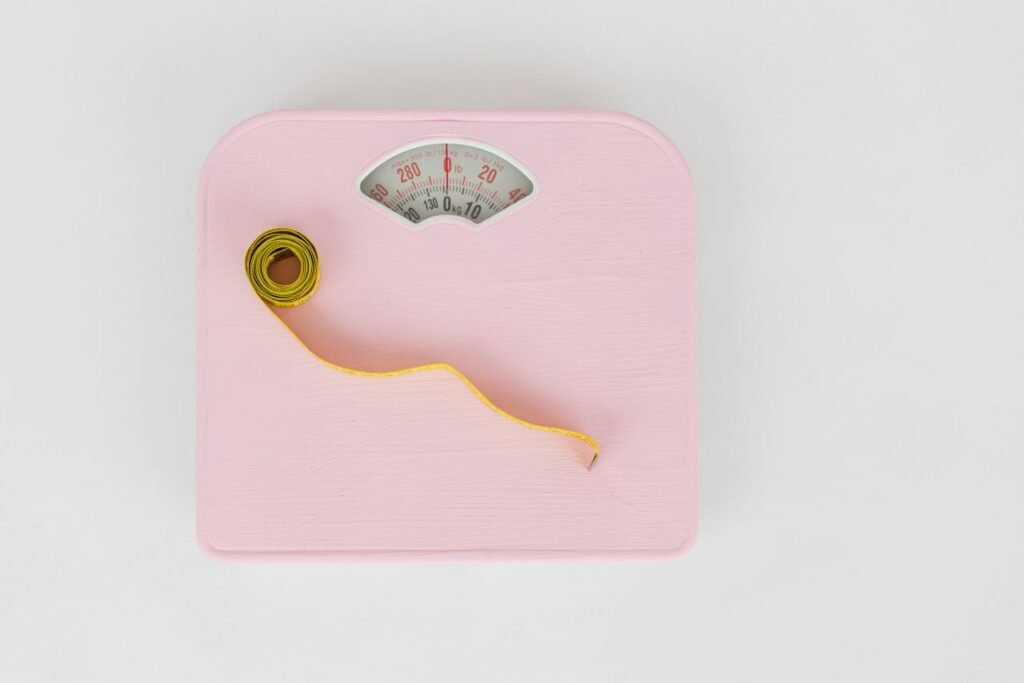
Body mass index, better known as BMI, is one of the most widely used health measurements in the world. Doctors use it during checkups, insurance companies reference it, and countless apps calculate it automatically. Yet BMI is also one of the most misunderstood numbers in health. It can offer a useful snapshot, but it was never designed to tell the full story about your body. Understanding both its strengths and its weaknesses will help you use it wisely.
Saiba mais +
What BMI Is and How It Is Calculated
BMI is a simple ratio of weight to height. To calculate it, you divide your weight in kilograms by your height in meters squared. For example, a person who weighs 70 kilograms and is 1.75 meters tall has a BMI of about 22.9. In imperial units, the formula is weight in pounds multiplied by 703, divided by height in inches squared.
The result places adults into broad categories. A BMI below 18.5 is considered underweight, 18.5 to 24.9 is considered a healthy weight, 25 to 29.9 is classified as overweight, and 30 or higher falls into the obesity range. If you want to see where you stand, you can check your BMI in a few seconds by entering your height and weight.
What BMI Can Tell You
BMI is popular because it is quick, free and easy to measure. Across large groups of people, higher BMI values are associated with a greater risk of conditions such as type 2 diabetes, high blood pressure, heart disease and certain cancers. That makes it a valuable screening tool for doctors and public health researchers who need a simple way to spot potential risks.
For an individual, BMI can act as a starting point for a conversation. If your BMI is in the obesity range, it may be worth looking more closely at other health markers, such as blood pressure, cholesterol and blood sugar. If it has been creeping upward over several years, it can be an early signal to review your eating and activity habits.
What BMI Does Not Tell You
The biggest limitation of BMI is that it only looks at total weight. As the CDC's overview of body mass index explains, BMI does not distinguish between fat, muscle and bone mass. A muscular athlete may have a BMI in the overweight range while having very little body fat, while someone with a normal BMI may carry a high percentage of fat and little muscle.
BMI also ignores where fat is stored. Fat around the abdomen, known as visceral fat, is more strongly linked to health problems than fat stored on the hips and thighs. Two people with identical BMIs can therefore have very different health risks. In addition, BMI does not account for age, sex or ethnicity, all of which influence body composition. Older adults, for instance, often have less muscle and more fat at the same BMI as younger people.
Better Ways to Get the Full Picture
Because of these gaps, BMI works best alongside other measurements. Waist circumference is a simple and useful addition; a large waist can signal higher risk even when BMI appears normal. The waist-to-height ratio, where you aim to keep your waist measurement below half your height, is another easy check.
Body fat percentage gives more detail about composition and can be estimated with tape measurements, smart scales or professional methods like DEXA scans. Lifestyle and clinical markers matter too: blood pressure, blood sugar, cholesterol, fitness level, sleep quality and diet all play a role in overall health.
Using BMI in a Healthy Way
Treat BMI as one piece of information, not a verdict. If your number is outside the healthy range, use it as a prompt to look deeper rather than a reason for anxiety. If you are working toward weight loss, focus on behaviors such as eating more whole foods, staying active and sleeping well. These habits improve health regardless of what the scale says, and your BMI will often improve along the way.
Conclusion
BMI is a quick and convenient screening tool that can highlight possible health risks, especially at the population level. However, it cannot distinguish muscle from fat, does not show where fat is stored and ignores important individual differences. Use it as a starting point, combine it with measurements like waist size and body fat percentage, and talk with a healthcare professional for a more complete understanding of your health.
Espero que o conteúdo sobre What Your BMI Says About Your Health (and What It Doesn't) tenha sido de grande valia, separamos para você outros tão bom quanto na categoria Beleza e Saúde

Dependência Química e Alta Contraind icada: Quando o Paciente Quer Sair Antes de Estar Clinicamente Estável?

Quando a Dependência Química Compromete a Capacidade de Tomar Decisões: Como Recuperar o Autocontrole no Tratamento

Paciente Apresenta Comportamento Agressivo Durante a Internação: Quando a Segurança Exige Intervenção?
Conteúdo exclusivo